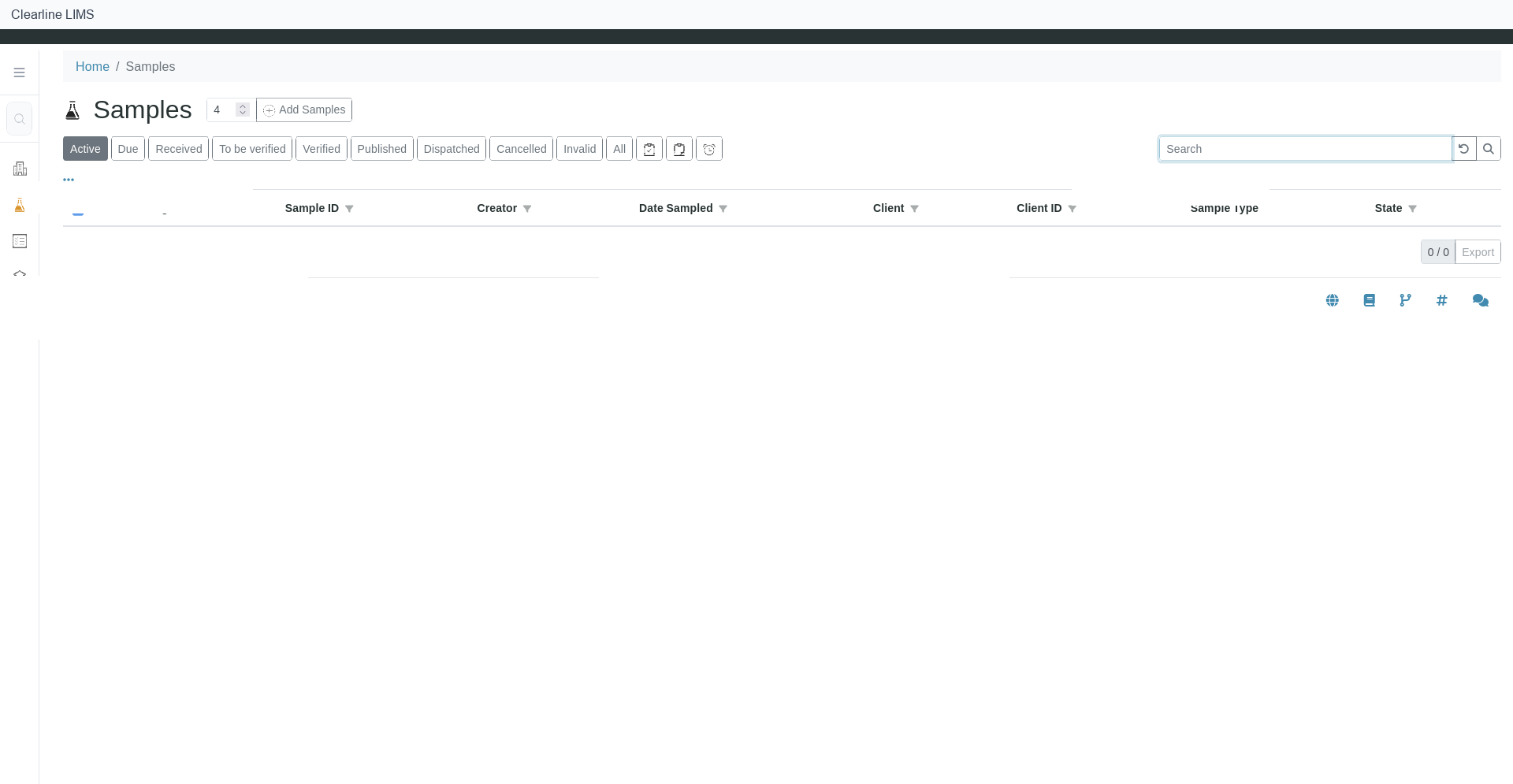
LIMS Sample Intake Workflow: Steps and Receipt Checklist
Evaluate sample intake from delivery through identity, receipt, condition, exceptions, acceptance, assignment, labels, and the first work queue.

Evaluate sample intake from delivery through identity, receipt, condition, exceptions, acceptance, assignment, labels, and the first work queue.
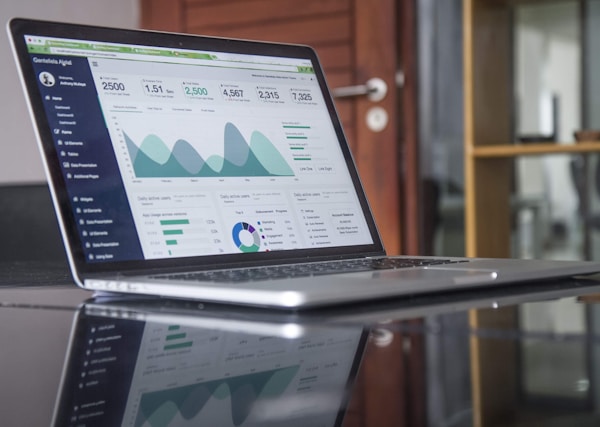
A buyer-supplied worksheet for estimating LIMS costs, time released, rework, capacity value, cash flow, payback, and sensitivity.
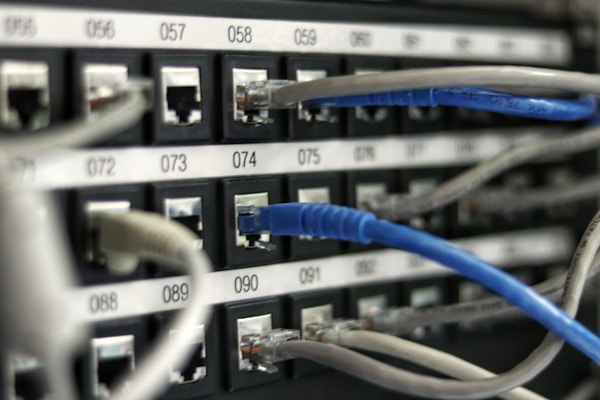
Compare LIMS hosting models by control, operational responsibility, constraints, recovery, service terms, and exit readiness—not by labels alone.
Turn ISO/IEC 17025 planning into a scoped evidence map with owners, governing documents, technical records, internal checks, and software boundaries.

Use a sample-based evaluation to test whether a LIMS can preserve and reconstruct the custody record your environmental work requires.

A plain-language guide to what a LIMS manages, when a small lab should consider one, and how to evaluate fit without starting with a feature wish list.

Turn a LIMS decision into a controlled rollout with named owners, clear scope, tested workflows, migration checks, training, and an operating handoff.

A practical guide to separating MDLs from reporting limits and preserving the study, approval, effective date, and report context behind each value.

A method-first readiness guide for PFAS labs evaluating matrices, analyte lists, contamination controls, QC relationships, review, and reporting workflows.

A practical checklist for defining, mapping, testing, and maintaining environmental reporting interfaces from source records through receipts.

Compare open-source and proprietary LIMS options across license rights, implementation, support, upgrades, security, cost, and exit readiness.
A buyer-set scorecard for comparing LIMS workflow fit, interfaces, migration, implementation, support, cost boundaries, delivery evidence, and exit.
Lab Operations
Evaluate whether a LIMS can represent your method- and project-specific QC rules, review decisions, exceptions, and change control.