ISO/IEC 17025 Planning Checklist for Small Laboratories
Turn ISO/IEC 17025 planning into a scoped evidence map with owners, governing documents, technical records, internal checks, and software boundaries.
A small laboratory can make ISO/IEC 17025 planning manageable by treating it as a scope-and-evidence project, not a hunt for a generic quality manual. The first deliverable is a map: what the laboratory wants accredited, which current requirements apply, who owns each process, what objective evidence exists, and which gaps need work.
Start by obtaining the licensed current ISO/IEC 17025 standard, the selected accreditation body’s criteria, and every program, method, contract, or state requirement relevant to the proposed scope.
Use this checklist to organize planning conversations. For each item, verify the requirement and acceptable evidence against the licensed current standard, the selected accreditation body’s current criteria, and every governing environmental program. A checklist can structure the work; it cannot replace those documents or the accreditation body’s decisions.
1. Define the proposed scope
Start with a scope table rather than the entire laboratory.
- List the tests or calibrations proposed for accreditation.
- Identify matrix, analyte or measurand, method, technique, location, and range or uncertainty information the accreditation body expects.
- Mark work performed at permanent, temporary, mobile, or client locations.
- Identify subcontracted activities and external products or services affecting the scope.
- Record the clients, contracts, and regulatory programs that depend on the work.
Planning evidence: a draft scope, service inventory, governing-document register, organization chart, and named process owners.
A precise draft scope is more useful than “all environmental testing.” It determines which personnel, methods, equipment, facilities, records, proficiency activities, and reports belong in the gap review.
2. Build the governing-document register
Create one controlled register with title, issuer, identifier, revision, effective date, applicability, owner, and review date for:
- ISO/IEC 17025 and accreditation-body criteria;
- program-specific accreditation or recognition requirements;
- statutes, regulations, permits, and contracts relevant to the scope;
- standard, regulatory, modified, and laboratory-developed methods;
- quality plans, project plans, SOPs, forms, and work instructions; and
- external guidance the laboratory has chosen to adopt.
Do not label guidance as mandatory unless the governing authority makes it so. TNI’s public small-laboratory guidance can help an environmental lab plan around TNI quality-system topics, but the lab still needs the current adopted standard and its accreditation body’s instructions.
Planning evidence: an applicability decision for each document and a process for reviewing changes before they affect work.
3. Map roles, authority, impartiality, and competence
For every activity in scope, identify who performs it, who reviews it, who authorizes results, and who may stop or resume work. Document deputies where one person holds several roles—a common small-lab reality.
Ask what competence is required; what evidence supports training, observation, demonstration, authorization, and continuing competence; how changed methods or instruments are reflected; where commercial, scheduling, supervisory, or personal pressures could affect impartiality; and who records actions.
Planning evidence: role descriptions, competence criteria, training and assessment records, authorizations, and an impartiality-risk process matched to the lab’s structure.
Attendance records show participation. Verify what the governing criteria require to demonstrate competence and authorization for specific work.
4. Connect methods, validation or verification, and uncertainty
Create a method file for every item in scope. Record the exact method and revision, selected options, departures or modifications, applicable matrices and ranges, performance criteria, and approval status.
Ask whether the method is standard, modified, non-standard, or laboratory-developed under the governing criteria; what validation or verification evidence is required; which performance characteristics and acceptance criteria apply; how measurement uncertainty is evaluated and reported where applicable; and how changes are introduced.
Planning evidence: approved methods and SOPs, study plans, raw data, calculations, conclusions, approvals, uncertainty records, and change history.
Avoid copying a generic validation list into every file. The required study depends on the method, intended use, accreditation-body rules, and program requirements.
5. Link facilities, equipment, and metrological traceability
Inventory equipment, software, reference materials, standards, reagents, utilities, and environmental conditions that can affect activities in scope. For each item, record identity, location, status, authorized users, required checks, acceptance criteria, interval source, traceability evidence where required, and the response to damage, unavailability, or out-of-tolerance conditions.
Planning evidence: equipment files, certificates, check data, maintenance records, environmental monitoring, reference-material records, and impact assessments.
A calendar reminder is not the whole control. The lab needs the technical basis, result, review, status decision, and response when criteria are not met.
6. Trace a sample or item from request to report
Walk one sanitized item through contract review, receipt, identification, handling, preparation, testing or calibration, technical review, reporting, amendment, retention, and disposal as applicable.
Check what work was requested and accepted; which method, personnel, equipment, and conditions applied; what observations and raw data support the result; which calculations, transfers, corrections, and reviews occurred; how deviations and nonconforming work were handled; and which report version was authorized and delivered.
EPA’s QAPP Standard is useful for covered environmental projects because it connects methods, acceptance criteria, information integrity, record keeping, error correction, assessments, and corrective-action effectiveness. It is not a substitute for ISO/IEC 17025 or other program rules.
Planning evidence: a complete trace package and a list of gaps discovered during reconstruction.
7. Test the management-system loop
Map processes for document and record control, complaints, nonconforming work, corrective action, risks and opportunities, improvement, internal audits, and management review.
TNI’s small-lab guidance distinguishes management review from internal audit and calls for findings and resulting actions to be recorded in its stated context. Operationally, an audit checks conformance and implementation, while management review considers whether the system remains suitable and effective and whether resources or changes are needed.
Ask for one closed example. Can the lab show the issue, immediate control, affected scope, cause evaluation, action, owner, due date, effectiveness check, and closure? Confirm that significant information reaches management and affected customers when the applicable procedure requires it.
Planning evidence: schedules, plans, auditor competence and independence decisions, reports, findings, actions, minutes, effectiveness evidence, and closure records.
8. Plan external assessment and ongoing obligations
Contact candidate accreditation bodies to understand application documents, scope format, fees, assessment process, witness expectations, proficiency-testing or comparison policies, surveillance, reporting of changes, and symbol use.
For environmental work, determine which accreditation or recognition is accepted in each jurisdiction where data will be submitted. Do not assume one certificate satisfies every state, program, client, or method obligation.
Planning evidence: selected accreditation body, confirmed application path, obligations register, proficiency-activity plan where applicable, and an owner for scope and status.
9. Decide what software should support
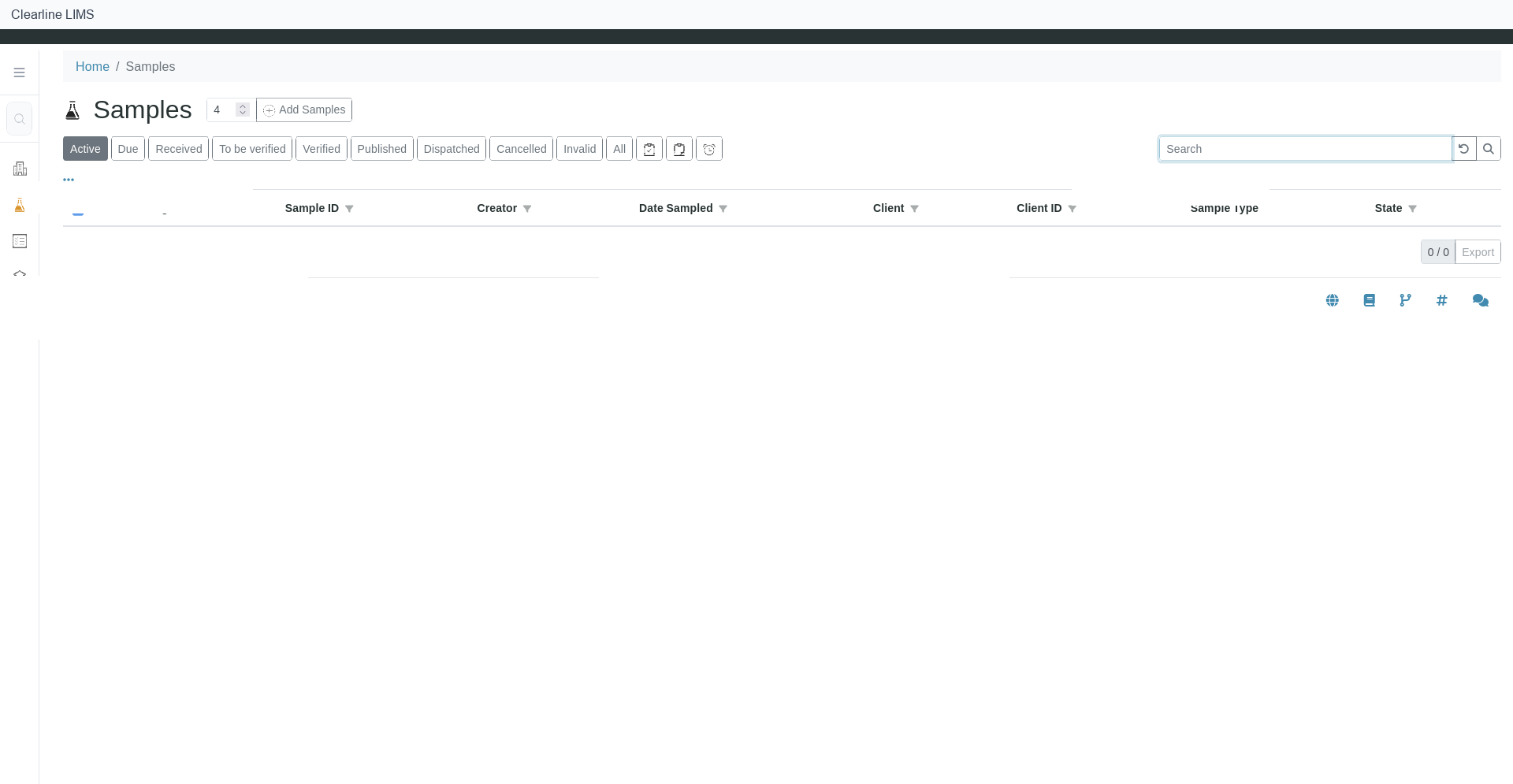
Software can organize records and configured workflows, but the laboratory remains responsible for defining requirements, validating or verifying use as applicable, controlling access and changes, reviewing outputs, and maintaining evidence.
Evaluate whether software preserves identities, source data, corrections, approvals, and history; distinguishes current from retired rules; matches permissions to roles; retrieves records throughout retention; supports testing of calculations, reports, interfaces, backups, and recovery; and keeps exceptions visible through closure.
Classify each need as standard, configured, custom, external, or unavailable. Put configuration, migration, validation, training, maintenance, and export responsibilities into written scope. Software should support the controlled system; it does not confer accreditation or produce compliance by itself.
Turn the checklist into a gap register
| Field | Decision |
|---|---|
| Requirement source | Exact document, revision, and section |
| Applicability | Why it applies to the proposed scope |
| Current evidence | Controlled record or observed practice |
| Gap | Missing, incomplete, inconsistent, or untested element |
| Risk and priority | Lab-defined impact and sequence |
| Owner | Person accountable for resolution |
| Acceptance evidence | What will demonstrate closure |
Review the register with technical staff and management. Resolve scope, governing criteria, ownership, and method status before buying tools or rewriting every document.
Evaluate Clearline against your evidence map
If record control and workflow support are part of your ISO/IEC 17025 plan, schedule a Clearline LIMS evaluation and bring a sanitized scope, one trace package, and your gap register. Ask for each relevant need to be classified in the written scope, including configuration, testing, migration, ownership, and export.